.jpg) We live in a world in which if we had the desire to listen to a song or album while we jog or while we wait for the bus, we would just look it up on our phones really quick without hesitation, but not in the 80s. Before then the only real way to listen to music was through a “portable” radio or cassette deck. This is a time in which portability did not mean if a device could fit in a purse or pocket. The definition of portability in 70s and 80s meant if it ran on batteries it was considered portable (most of the time batteries would take up 30% of the device), so people would lug generator-sized radios in order to just listen to music somewhere else other than their house. Plus most of the time these bricks of a music player did not have a headphone jack, so this makes listening to music by yourself impossible. Thus the Walkman by Sony came on the scene, it provided actual portable and was constructed just for people who just want to listen to music casually by them self without anyone judging you for listening to Taylor Dayne.
We live in a world in which if we had the desire to listen to a song or album while we jog or while we wait for the bus, we would just look it up on our phones really quick without hesitation, but not in the 80s. Before then the only real way to listen to music was through a “portable” radio or cassette deck. This is a time in which portability did not mean if a device could fit in a purse or pocket. The definition of portability in 70s and 80s meant if it ran on batteries it was considered portable (most of the time batteries would take up 30% of the device), so people would lug generator-sized radios in order to just listen to music somewhere else other than their house. Plus most of the time these bricks of a music player did not have a headphone jack, so this makes listening to music by yourself impossible. Thus the Walkman by Sony came on the scene, it provided actual portable and was constructed just for people who just want to listen to music casually by them self without anyone judging you for listening to Taylor Dayne.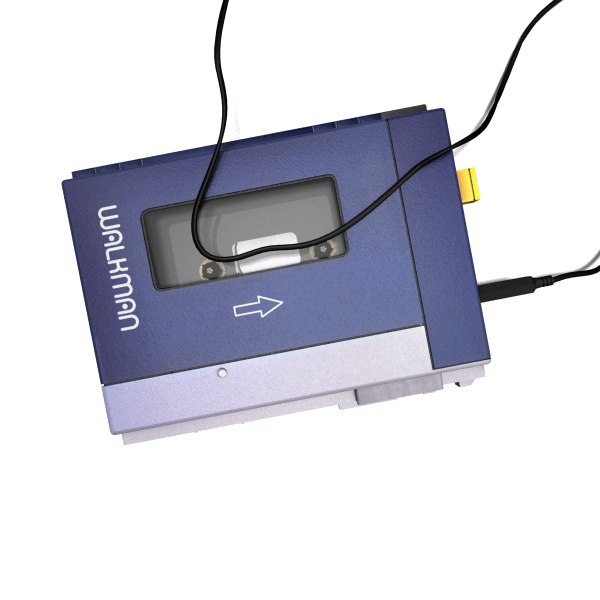 The brilliant mind of Sony co-founder Masaru Ibuka loved to listen to opera on his frequent trans-Pacific flights and wanted to listen to them on the go. Sony had “portable” players before like the TC-D5, but that thing is five pounds, that is the same weight of a chihuahua or a table lamp, and also really expensive. Thus him and a group of engineers found out that they could use a Sony Pressman, a small cassette recorder which were mostly used by journalist, replaced the record head with a read head and removed the speaker and put an amplifier in it’s place and boom... the Walkman would be released in 1979. Sony decided to name it the Walkman in honor of the Pressman and it instantly became popular due to the size and how much cheaper it was to produce. The Walkman would end up selling cumulative 200 million units.
The Walkman would end up boosting cassette sales, which were mostly used in cars because of their compacted design and due to vinyl records dominating the home market. It boosted cassette sales by 40% and eventually help make cassette out sell vinyl. The Walkman would not only encourage the boost of cassette but also walking in general, in which cause 30% more people to walk between 1987 to 1997.The Walkman would later promote other product lines like Discman, Walkman MP3, etc, but most would consider the decline of the Walkman was due to cassette becoming phased out due to the arrival of the CD. Walkman would become a cult classic and help to ignite how we would listen to music on the go.
Fun Fact: The Walkman was actual was not meant to be sold to the public, it was developed just for Masaru Ibuka to listen to his opera music.
source: https://en.wikipedia.org/wiki/Walkman
http://content.time.com/time/nation/article/0,8599,1907884,00.html

This comment has been removed by the author.
ReplyDeleteMy apologizes for the previous comment. (It had a few grammatical errors... ) Nevertheless, we've come a long way from cassettes and other 'portable' electronics, yet it is still great to know how these aspects had and still have an impact on society today. Awesome post!
ReplyDeleteIt is interesting to find out how convenient our music playing devices are today compared to their now unappealing, except for their niche fans, precursor. I find it more fascinating that Mr. Ibuka just wanted to listen to some opera music on the go and decided to make it.
ReplyDeleteIt is interesting to know the influence cassette players had on the capability to hear music, and to learn about it's origination is fascinating. Great blog!
ReplyDeleteIt is interesting to know the influence cassette players had on the capability to hear music, and to learn about it's origination is fascinating. Great blog!
ReplyDelete